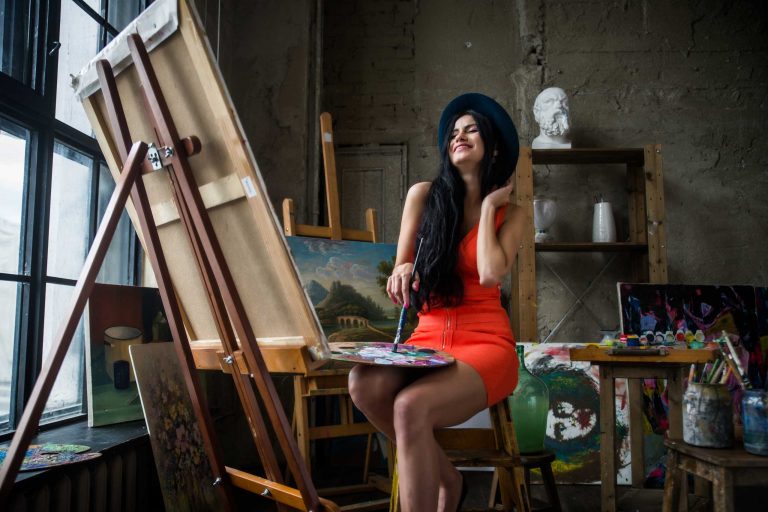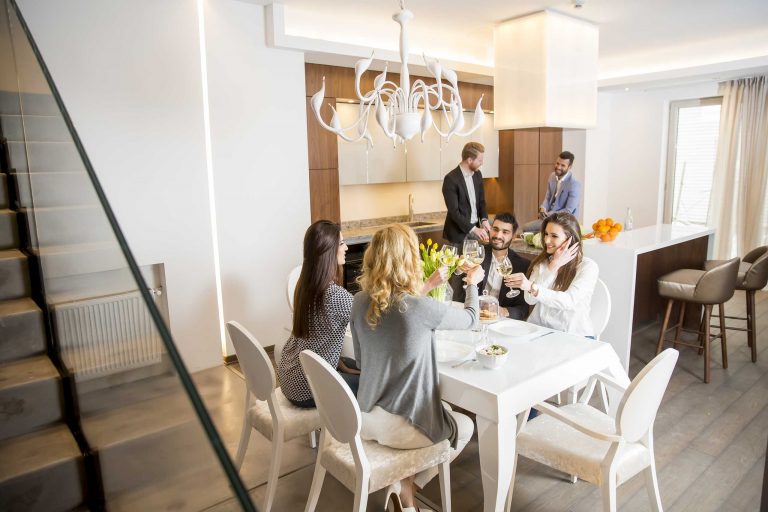
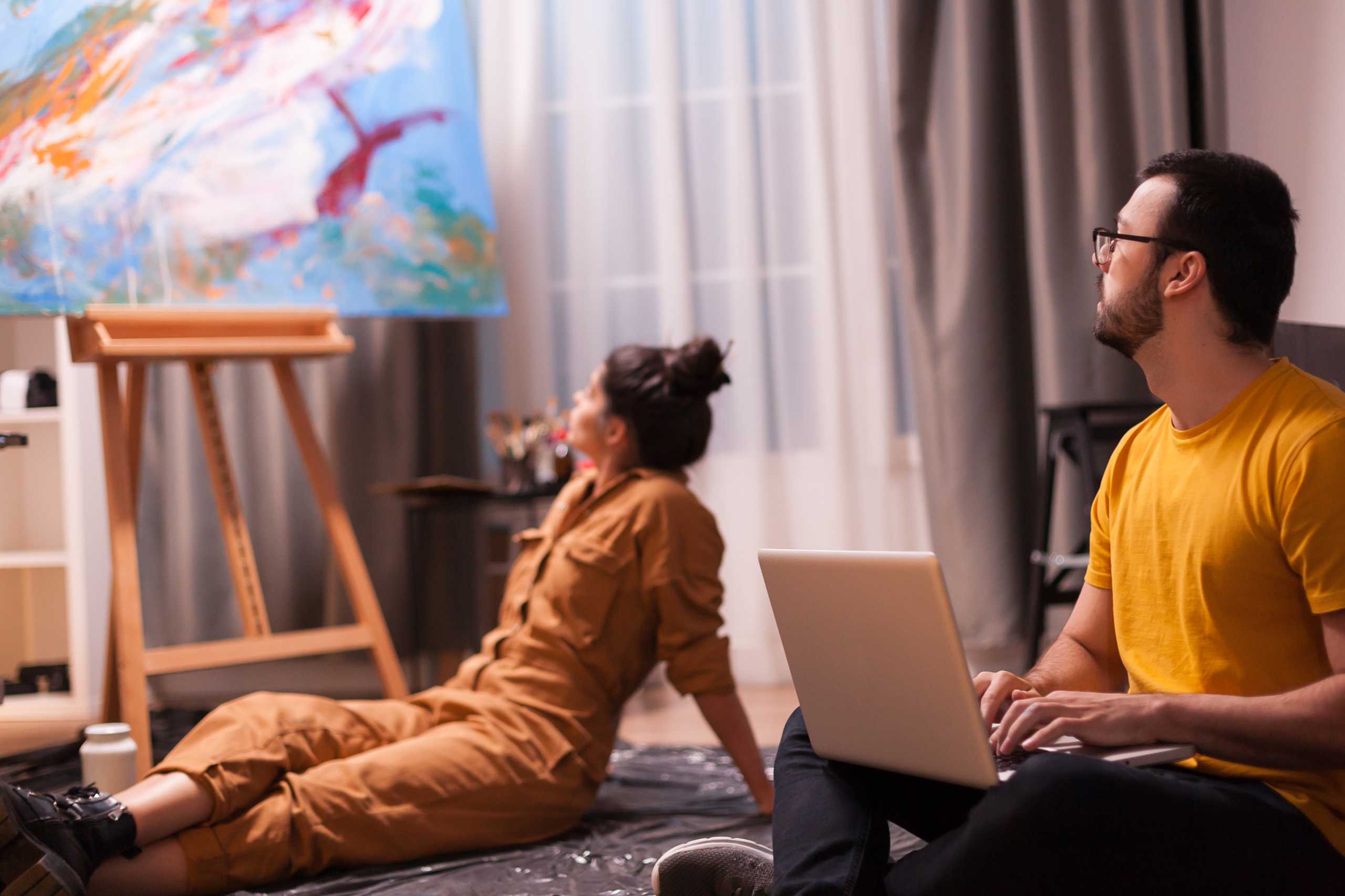
Interior photography is more than documenting rooms; it is the practice of interpreting space, light, and design with precision and emotion. For many aspiring creators, the challenge is not technical equipment but learning how to truly see interiors with clarity and intention. This discipline blends artistic intuition with structured observation, transforming everyday environments into compelling visual narratives.
Understanding Space Through Observation
The first step in interior photography is slowing down enough to recognize what makes a space unique. This includes:
- Architectural lines
- Natural and artificial light
- Color distribution
- Visual weight of objects
By focusing on these elements individually, photographers begin to understand how composition naturally emerges from the room itself.
The Impact of Light and Atmosphere
Light defines how a space feels. A soft window glow creates calm and openness, while directional artificial lighting might highlight geometric structures. Interior photographers must evaluate:
- Where light enters.
- How shadows shape forms.
- Which areas need balance or contrast.
Mastering these factors allows you to portray spaces with authenticity rather than distortion.
Composition as a Language
Composition guides the viewer’s eye, establishing order and intention. Strong interior photography relies on:
- Leading lines
- Balanced proportions
- Thoughtful negative space
- Harmonized color relationships
Through deliberate framing, a room becomes more than a setting; it becomes a visual statement.
Developing Your Signature Approach
Every photographer eventually finds a personal rhythm. Some prefer minimalism, emphasizing emptiness and clean structure. Others gravitate toward warm textures and detailed storytelling. The key is consistency, achieved through repeated practice, refinement, and a willingness to experiment.
Practical Techniques for Immediate Improvement
Use these foundational methods to elevate your interior photography:
- Shoot from tripod level to maintain accurate geometry.
- Avoid wide-angle distortion by adjusting distance and lens choice.
- Study how designers style spaces to understand balance and focal points.
- Practice shooting the same room under different lighting conditions.
Each technique builds stronger spatial awareness and technical confidence.
Why Interior Photography Matters
Interior photography influences how people perceive environments—homes, studios, workplaces, and public spaces. It communicates atmosphere, functionality, and identity. In design, marketing, and creative industries, high-quality interior images shape emotional responses and create lasting impressions.
A Continuous Journey of Seeing
Interior photography is a discipline built on observation, patience, and refinement. As you train your eye, you begin to notice subtleties in materials, color harmony, and architectural flow. What once looked ordinary becomes an opportunity for visual expression. With structured practice and thoughtful guidance, any student can gain the ability to transform spaces into powerful, meaningful imagery.