
Composition is the architecture of interior photography. It determines how viewers interpret a room, where their attention goes, and how the story of the space unfolds. Strong composition brings order, clarity, and elegance to even the most complex environments. For students of interior photography, understanding visual structure is essential for creating images that feel intentional and refined.
The Foundation of Spatial Balance
Before framing any shot, photographers evaluate how elements relate to one another. Key considerations include:
- Vertical and horizontal alignment
- Distribution of visual weight
- Relation between foreground and background
- Flow of architectural lines
A balanced composition ensures the room appears natural and cohesive rather than distorted or cluttered.
Using Leading Lines to Guide the Eye
Lines within interiors—beams, windows, edges of furniture—naturally direct attention. Intentional framing can guide the viewer through the scene with clarity. Leading lines work best when they:
- Enhance depth
- Frame focal points
- Create visual rhythm
Mastery of this technique makes compositions more dynamic and structured.
Framing and Perspective Choices
Perspective heavily influences the perception of a room. Common approaches include:
- Straight-on shots for symmetry
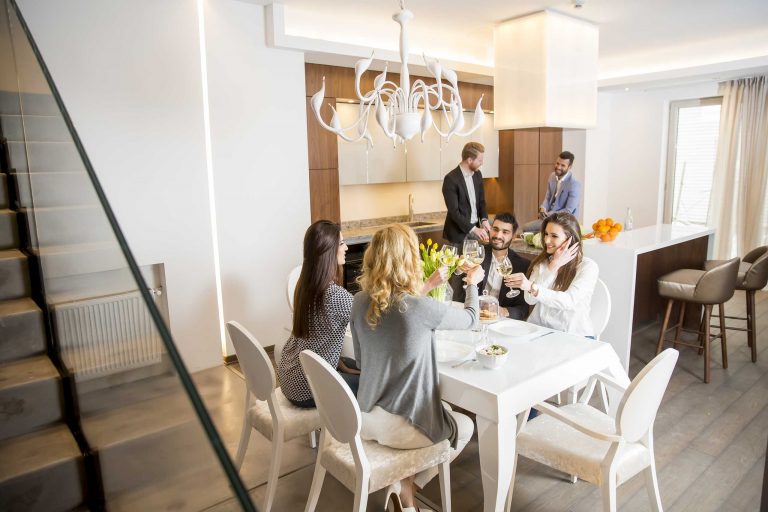
- Angled views for depth
- Lower or higher vantage points for emphasis
Each perspective reveals different characteristics. Choosing the right one ensures the space is represented truthfully while emphasizing its strengths.
The Role of Negative Space
Negative space creates breathing room within the frame, preventing visual overload. Effective use of empty areas:
- Highlights key subjects
- Improves image clarity
- Adds elegance through simplicity
Skillful distribution of negative space contributes to a polished, professional composition.
Patterns, Textures, and Repetition
Many interiors contain repeating elements—tiles, beams, textiles, shelving. These patterns add structure and visual interest when used thoughtfully. Photographers can enhance compositions by:
- Aligning repetitive elements precisely
- Using textures to add depth
- Balancing complexity with clean lines
Controlled repetition strengthens the visual identity of the image.
Avoiding Distortion and Maintaining Accuracy
Precision is crucial in interior photography. Wide lenses can distort lines, making rooms appear unnatural. Avoiding distortion requires:
- Correcting angles in-camera
- Keeping the sensor level
- Using careful post-processing adjustments
Accuracy builds trust and produces images that reflect the real character of the space.
Telling the Story of the Room
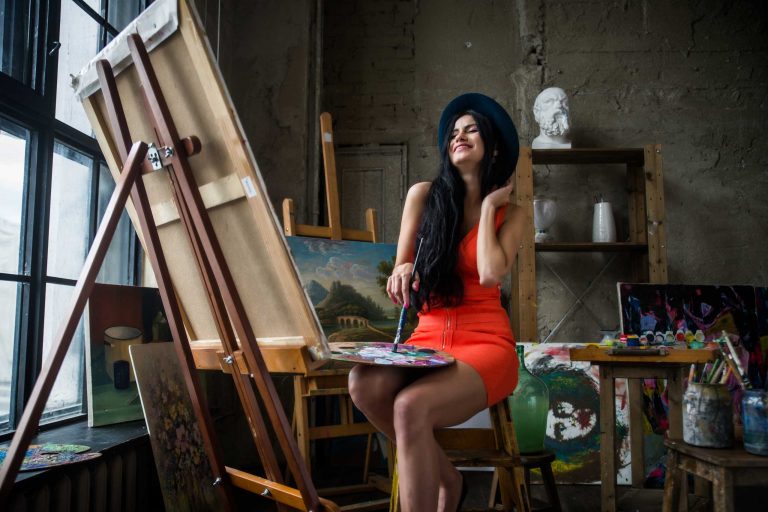
Beyond technique, composition communicates personality. A minimal living room may call for calm, centered framing; a dynamic studio might benefit from angular or energetic perspectives. Composition becomes a language through which photographers express the mood, purpose, and aesthetic of the environment.
Continual Refinement Through Practice
Composition improves with repeated observation and experimentation. By studying interiors, analyzing professional work, and revisiting spaces with new perspectives, photographers develop instinct and precision. Over time, composition becomes second nature, shaping each photograph with clarity and intention.